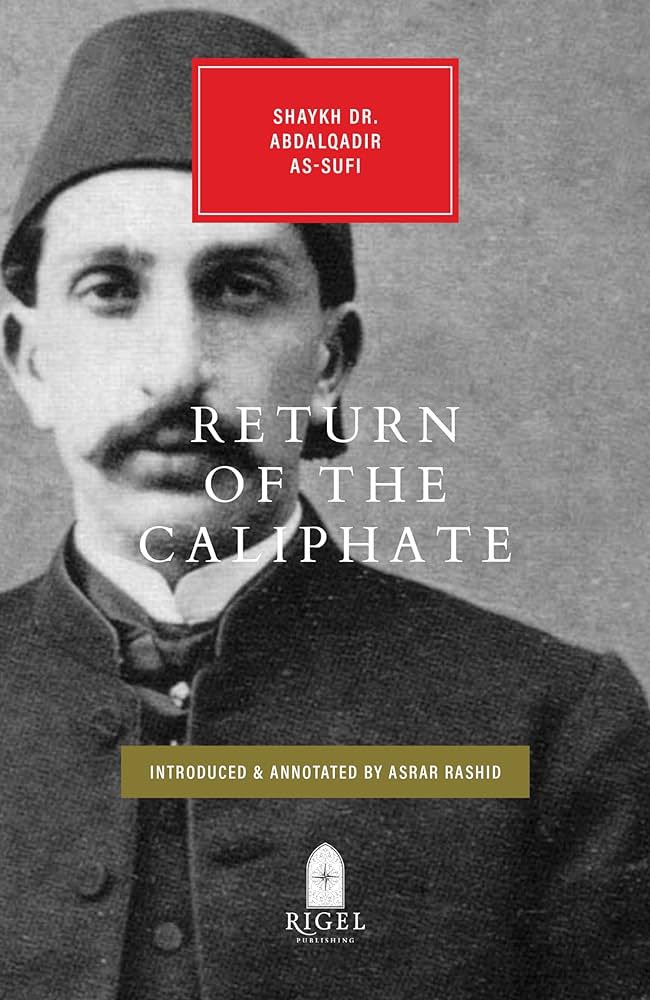
“Abdülhamid tried to reform every aspect of the society, but it was all doomed to fail, the interest-debts absorbed 80% of state revenues on his ascension to the Sultanate. The legend that debt was incurred by sulțānic extravagance is an indication of the cunning of the bankers. This was patently false, and even the palaces of the last sultans hardly scratched the surface of oceanic expenditure that the economy encompassed. Gallantly, the Sultan tried to rationalise the burgeoning debt. His Decree of Muharram, on 23RD November 1881, reduced the unpaid debt and interest from 21,938.6 million kuruş to almost half that, 12,430.5 million kuruş. He achieved this by what may be considered the first major national debt rescheduling programme in a history now crowded with them- Mexico, Nigeria, Argentina, and so on. Yet the price was that most sinister of institutions, again the first of its kind, that by the end of the Twentieth Century was so streamlined that it worked in almost total secrecy under the cover of international banking institutions like the IMF (International Monetary Fund) and the World Bank, which in this instance presented itself as the Public Debt Commission [Düyun-u Umumiye Komisyonu). So remarkable was the Sultan’s planning that he managed to bring the financial situation into order, but he could not throw off the new occupation forces of banking.” ~ Shaykh AbdulQadir As-Sufi
The Ottomans had taken loans from Western bankers, and in order to repay them—as well as to align with the liberal reforms of the Tanzimat movement—they were ‘advised’ to impose heavy taxes on Christians. This led to tensions with the Armenians and other Christian communities in Eastern Europe. The consequences of these policies can still be observed today. ~ Shaykh Asrar Rashid
 Moro Blanco
Leave a comment