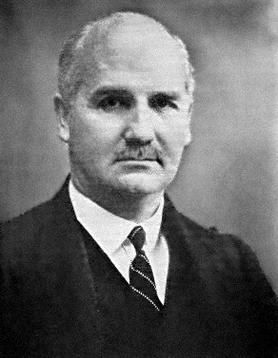
– 1st Viscount Cherwell
– Physicist
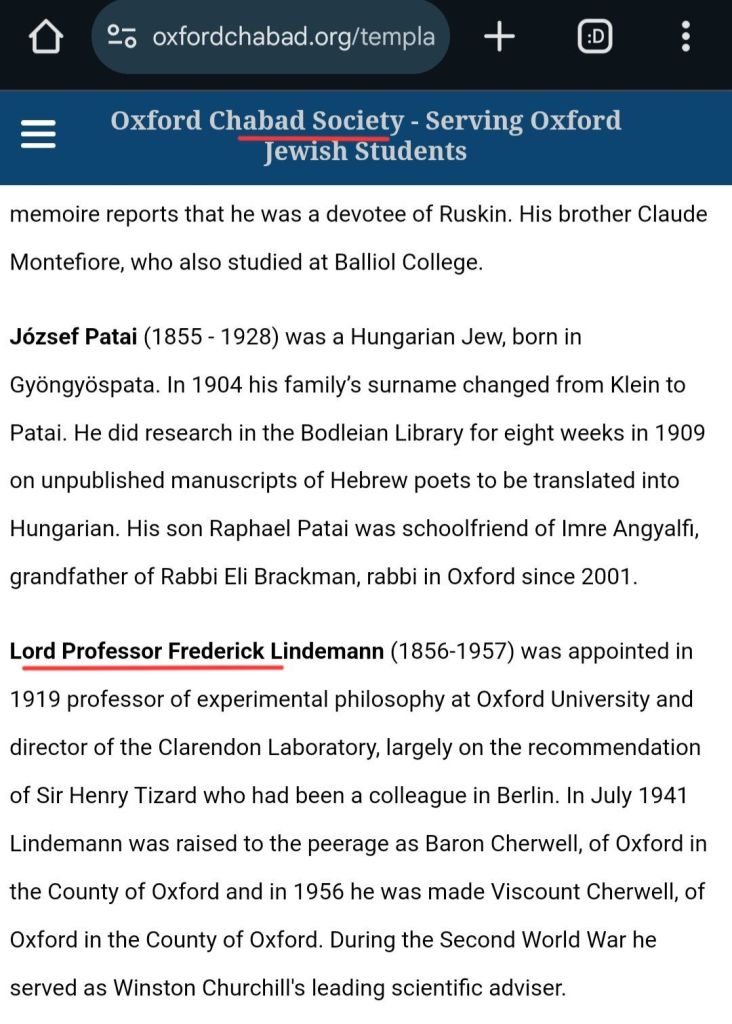
– Prime scientific adviser to Winston Churchill
– Vegetarian
– Of Jewish descent
– His mother, Olga Noble, was an American and the widow of a wealthy banker
– Professor of Experimental Philosophy at Oxford University
– Advocated for eugenics (the practice of improving genetic quality by promoting reproduction of desirable traits and discouraging that of undesirable ones)
– Played a key role in the development of radar and infrared
guidance systems for the military
– Assisted Churchill in rescuing many German Jewish physicists, primarily from the University of Göttingen
– The same rescued physicists contributed to significant war efforts at the Clarendon Laboratory, including the Manhattan Project
– The Manhattan Project was the secret U.S. research and development program during World War II that resulted in the
first nuclear weapons
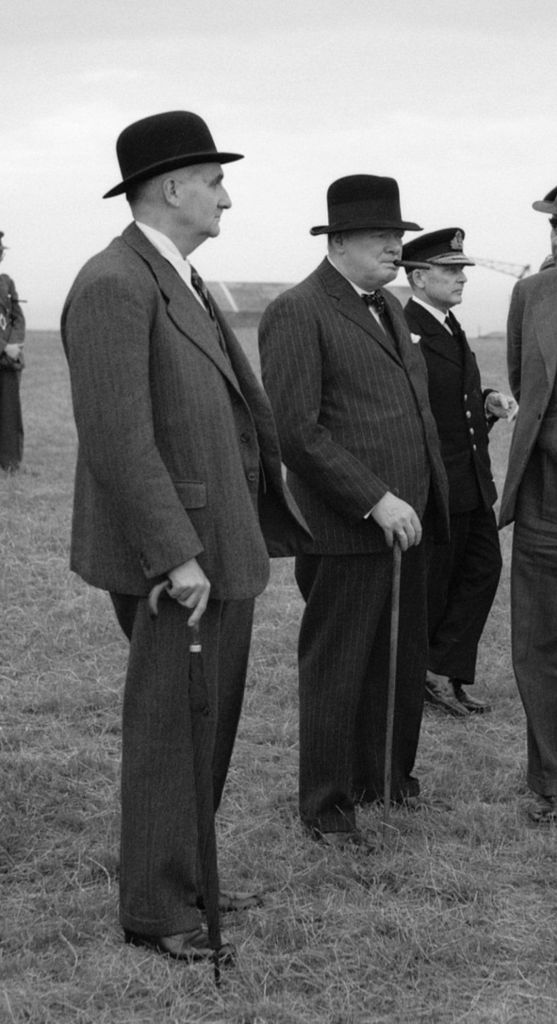
– Lindemann saw Churchill almost daily throughout the war and had more influence over him than any other advisor
– His statistical approach often caused friction between government departments
– Churchill argued that Lindemann’s method allowed him to make swift decisions based on “accurate” data, which had a direct impact on the war effort
– One of the greatest war crimes associated with Churchill’s name is the terror-bombing of German cities, which resulted in the deaths of around 600,000 civilians and left approximately 800,000 seriously injured
– Lindemann presented a paper on “Dehousing” to Churchill on March 30, 1942, which calculated the effects of mass bombing on German cities to break civilian morale
– His proposal suggested that bombing should target working-class homes, as middle-class houses were too spaced out and would waste bombs. This strategy changed wartime conventions, leading to an increase in civilian casualties
– The terror-bombing plan was mainly conceived by Lindemann and executed by Arthur Harris, head of Bomber Command, who remarked, “In Bomber Command, we have always worked on the assumption that bombing anything in Germany is better than bombing nothing.”
– Fearing food shortages in Britain, Lindemann convinced Churchill to divert British merchant ships from the Indian Ocean to the Atlantic. This added two million tons of wheat and war materials to British stocks but left few ships available to transport wheat from Australia to India
– The Ministry of War Transport warned that such drastic cuts to shipping in Southeast Asia could cause “violent changes” in global trade, but these warnings were ignored
– The Bengal famine of 1943 saw the “menace of famine suddenly loom like a hydra-headed monster,” as described by C. B. A. Behrens in the official history of Allied merchant shipping. It is estimated that between 1.5 and 4 million people died during this famine, despite continued food exports from India to Europe
– Churchill’s policies, planned with Lindemann, greatly exacerbated the severity of famines in Asia and Africa
– Churchill defended Lindemann from those in the British government who were critical of him. He famously told a member of Parliament, “Love me, love my dog, and if you don’t love my dog, you damn well can’t love me,” later adding, “Don’t you know that he is one of my oldest and greatest friends?”

 Moro Blanco
Leave a comment