In Austrian economics, self-ownership means you have full ownership over yourself—your body, your mind, and anything you create with your labor. It’s a big part of the belief in personal freedom and property rights. So, if you build something or buy something, it’s yours, and you have the right to use it or trade it however you want. The idea is that this freedom to own and trade property is key to a prosperous and free society.
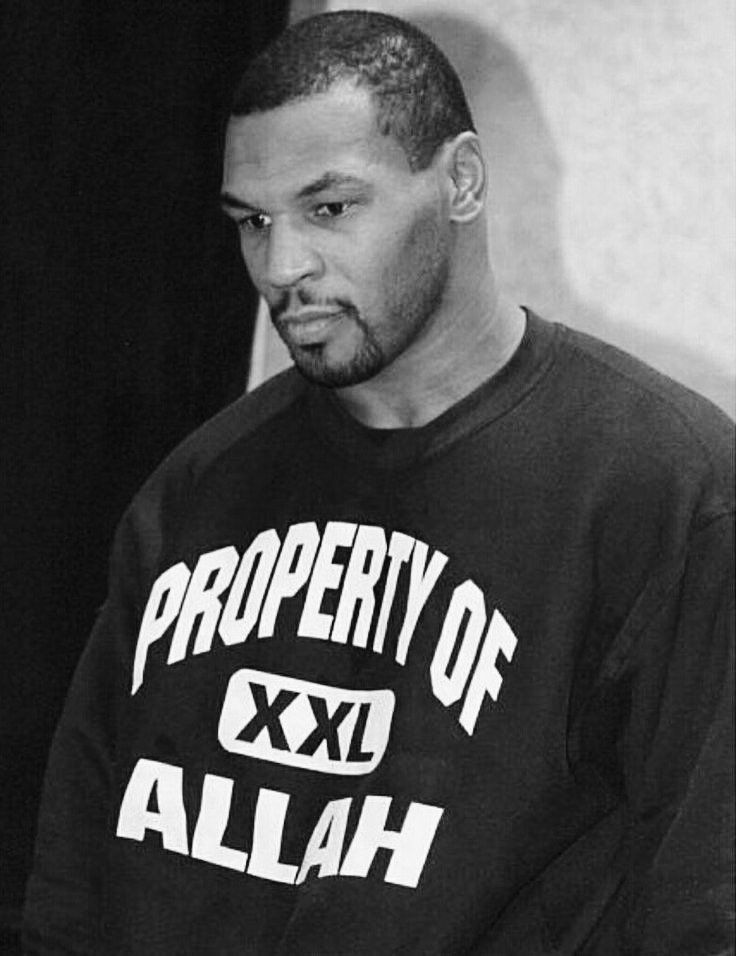
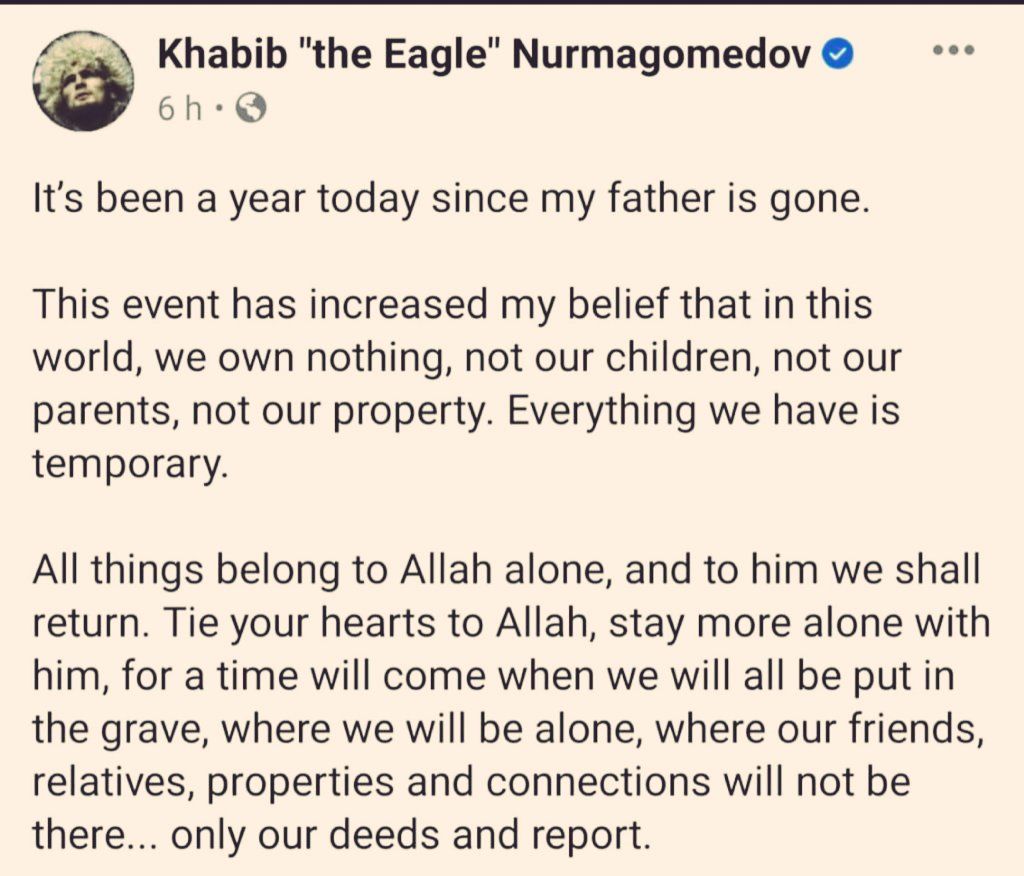
In Islam, the perspective is a bit different. It starts with the belief that everything, including our bodies and the earth’s resources, ultimately belongs to God. We’re considered stewards or caretakers. So, while you can use and manage your body and property, you’re really just looking after it on God’s behalf. This means you have responsibilities to use these things wisely and ethically.
However, just like in Austrian economics, Islamic jurisprudence highly respects private property. The Quran and Hadith provide clear support for this. For example, the Quran says, “Do not consume one another’s wealth unjustly” (Quran 2:188), highlighting the importance of fair transactions and respect for others’ property. The Prophet Muhammad (peace and blessings be upon him) also emphasized this in a Hadith, saying, “Your blood, your property, and your honor are inviolable to you” (Sahih Muslim), underlining the sanctity of personal ownership.
Another hadith : “Whoever is killed defending his property is a martyr.”
Source: Ṣaḥīḥ al-Bukhārī.
Islam also emphasizes the importance of community and social justice. For example, there’s zakat, which is a mandatory form of charity for Muslims of 2.5% of excess savings that haven’t been touched for a year and a prohibition on riba / interest. These rules are in place to ensure fairness and help those in need, balancing personal rights with the welfare of the community / humanity.
So, while Austrian economics is very focused on individual rights and ownership, Islam sees things through the lens of stewardship and ethical responsibility. It’s not just about what you can own or do, but also how you should use what you have for the greater good, in line with divine guidance.
 Moro Blanco
Leave a comment