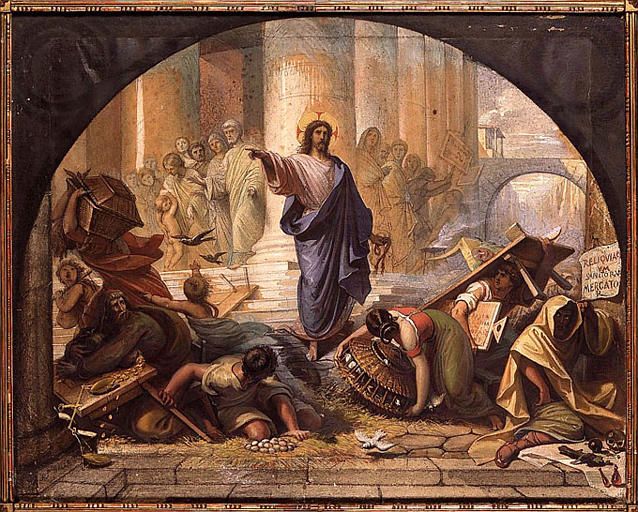
Overview of the history of usury.
It delves into the following aspects:
– Usury, the practice of charging interest on loans, was condemned by both Judaeo-Christian and Graeco-Roman traditions.
– The Italian Renaissance in the 15th century and the Reformation led to a gradual shift away from traditional usury restrictions.
– Calvin, a Puritan moralist, dismissed the Old Testament passages on usury, leading to a change in the moral law regarding interest.
– Protestantism and the reign of Henry VIII in England further normalized usury and set the precedent for its acceptance.
– Over time, the Church and society compromised on usury, redefining it to fit normal business practices.
– The shift towards a new elite from the merchant class occurred during Tudor rule, facilitated by the employment of previously forbidden financial techniques.
– The division between the monarchy and Parliament eventually led to the Civil War, reflecting Plato’s observation that society became divided against itself due to usury.
– Banking emerged during this time, with elements such as foreign exchange, loan negotiations, and deposit banking involving usury.
– Banking transactions became more sophisticated, with merchants trading in bills rather than commodities, mirroring modern banking practices.
– The creation of money through banking involved fraudulent practices, including conjuring money out of thin air.
– These usurious transactions were gathered under the term banking, divorced from their original context, and became an integral part of the new banking system.
– Power shifted from the monarchy to Parliament and mercantile interests, with financiers gaining significant influence.
– William of Orange, who brought financiers from Amsterdam, played a crucial role in the foundation of the Bank of England, cementing the triumph of money-lenders.
– The Bank of England had government permission to discount bills and print unlimited amounts of money, solidifying the acceptance of usury.
– Usury transformed from a condemned crime to a respected business practice, and usurers were honored by the state.
 Moro Blanco
Leave a comment