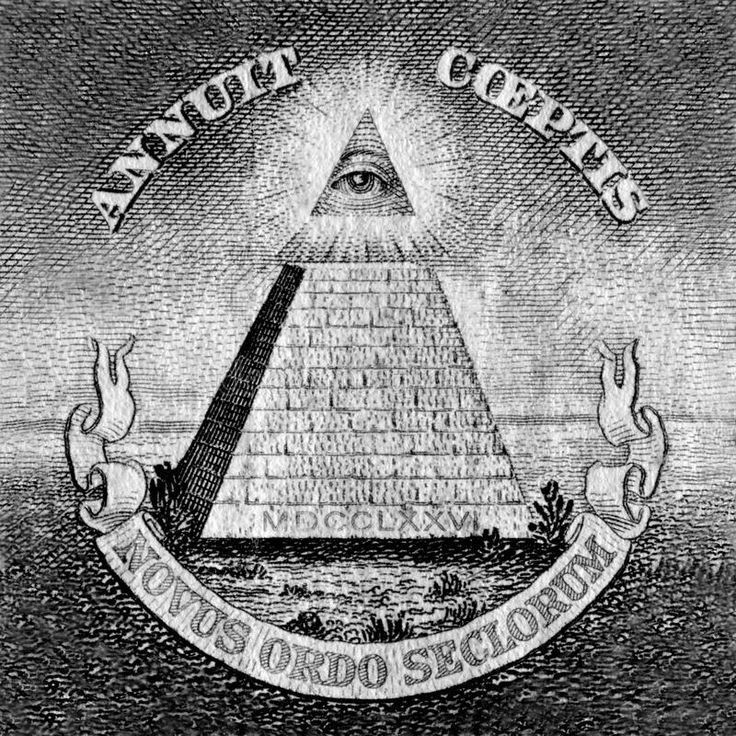
The fiat network comprises around 190 central bank members of the International Monetary Fund (IMF), as well as tens of thousands of private banks, with many physical branches. At the time of writing, the fiat network has achieved almost universal adoption, and almost everyone on earth is either dealing with a fiat node or handling fiat paper notes issued by these nodes.
Joining the fiat network is not voluntary; it can be best likened to mandatory malware. With the exception of a few primitive and isolated tribes yet to have fiat enforced upon them, every human on earth is assigned to a regional node where they must pay their taxes in their local “fiatcoin.” Failure to pay with the local fiatcoin can result in physical arrest, imprisonment, and even murder.
These are powerful incentives for adoption that both bitcoin and gold lack.
The fiat network is based on a layered settlement system for payment clearance. Individual banks handle transfers between their clients on their own balance sheets. National central banks oversee clearance and settlement between banks in their jurisdictions. Central banks, and a few hundred international correspondence banks, oversee clearance across international borders on the SWIFT payments network.
The fiat network utilizes a highly efficient centralized ledger technology with only one full node required to validate and decide the full record of transactions and balances. That entity is the United States Federal Reserve, under the influence and supervision of the United States government.
“The Fed,” as it is known to fiat enthusiasts, is the focal and central point of the fiat network. It is the only entity that can invalidate any transaction and confiscate any balance from any other fiat node. The Fed rules unilaterally over the SWIFT payments network and can prevent entire nations from joining it and settling trades with other nations.
The fiat network’s base layer operates using a native token of debt denominated in U.S. dollars. While fiat enthusiasts portray the network as having a variety of tokens, each belonging to a different country or region, the reality is that every currency but the U.S. dollar is merely a second-layer token, a derivative of the dollar.
The value of non-U.S. fiat money depends on its backing in the U.S. dollar and can best be approximated as the value of the dollar with a discount equivalent to the country risk. For a variety of historical, monetary, fiscal, and geopolitical reasons, these tokens have not appreciated significantly against the U.S. dollar over the long term.
For all practical intents and purposes, national central banks managing their currencies can either maintain their exchange rates with the dollar or devalue them faster than the dollar.
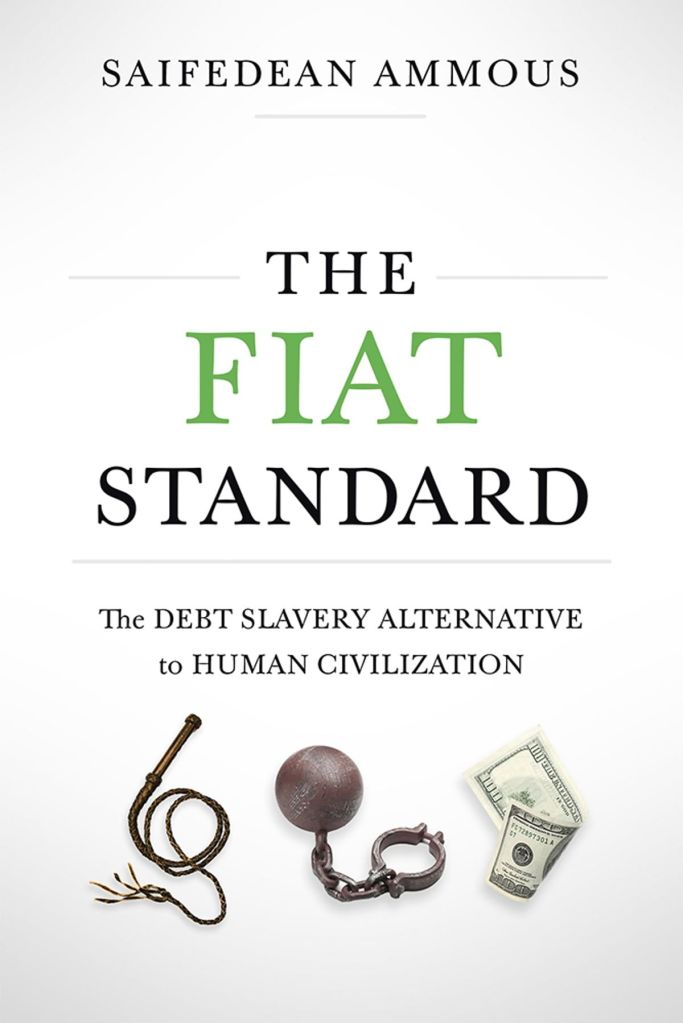
~ The Fiat Standard by Saifedean Ammous
 Moro Blanco
Leave a comment